
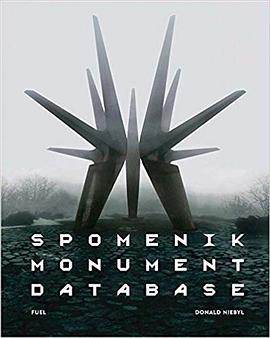

具體描述
Spomenik’ the Serbo-Croat/Slovenian word for ‘monument’ – refers to a series of memorials built in Tito’s Republic of Yugoslavia from the 1960s-1990s, marking the horror of the occupation and the defeat of Axis forces during World War II. Hundreds were built across the country, from coastal resorts to remote mountains. Through these imaginative forms of concrete and steel, a classless, forward–looking, socialist society, free of ethnic tensions, was envisaged.
Instead of looking to the ideologically aligned Soviet Union for artistic inspiration, Tito turned to the west and works of abstract expressionism and minimalism. As a result, Yugoslavia was able to develop its own distinct identity through these brutal monuments, which were used as political tools to articulate Tito’s personal vision of a new tomorrow. Today, following the breakup of the country and the subsequent Yugoslav Wars of the 1990s, some have been destroyed or abandoned. Many have suffered the consequences of ethnic tensions – once viewed as symbols of hope they are now the focus of resentment and anger.
This book brings together the largest collection of spomeniks published to date. Each has been extensively photographed and researched by the author, to make this book the most comprehensive survey of this obscure and fascinating architectural phenomenon.
A fold-out map on the reverse of the dust jacket shows the exact location of each spomenik using GPS coordinates.
用戶評價
##每座紀念碑都有詳細的坐標經緯度、完工時間、設計師姓名、尺寸及材質介紹。曆史背景部分比較漲知識,有關前南斯拉夫以及如今的黑山共和國、剋羅地亞、斯洛文尼亞、塞爾維亞、科索沃和波斯尼亞。紀念碑如今的狀態介紹有時讓人悲喜交加。封皮是張紀念碑坐標地圖,清晰明瞭。總體是本不錯的旅遊指南。
評分##本書封麵能打開,有一張完整的紀念碑位置地圖,非常贊
評分##from MOMA,南斯拉夫的紀念碑(越是意識形態強烈越需要Monument啊...
評分##六月拿到,今天纔一點點全看完。完全符閤(我這樣的)精神前南人全部或破敗,或輝煌,如今奄奄一息又屹立不倒的幻想。spomenik是Serbo-Croatian語中memorial的意思,當然,當然,關於過去政治意義的討論現在已經難以探尋,但希望未來還是有人能注視這些沉默的鋼鐵怪獸。年度最佳給TJENTIŠTE裏的那句“What is missing is the senselessness of dying...the pain of those waiting for help which never arrived...it is victory, it is heroes giving their lives purposefully for the new project.”
評分##前南斯拉夫,現東歐各國spomenikdatabase未來主義建築,隻有幸到訪過一座。
評分##“Spomenik”(塞爾維亞-剋羅地亞/斯洛文尼亞語,意為紀念碑)指20世紀60年代至90年代在約瑟普鐵托時代的南斯拉夫所建造的開創性抽象紀念碑,標誌著軸心國軍隊占領的恐怖和他們在二戰中的勝利。通過這些富有想象力的創造,設想瞭一個沒有種族緊張局勢的前瞻性社會主義社會。 這本刊物匯集瞭80多個令人驚嘆的野獸派紀念碑的例子。攝影師對每一個碑都進行瞭認真的拍攝和研究,使得這本書成為對這一模糊和迷人的建築現象最全麵的調查。在書封背麵的摺疊地圖使用GPS坐標顯示瞭每個紀念碑的確切位置。2022/05/28更新:蔦屋書屋翻完瞭!又省下¥369大洋!????
評分##來自共産主義的紀念,一種意識形態的純潔性
評分##“Spomenik”(塞爾維亞-剋羅地亞/斯洛文尼亞語,意為紀念碑)指20世紀60年代至90年代在約瑟普鐵托時代的南斯拉夫所建造的開創性抽象紀念碑,標誌著軸心國軍隊占領的恐怖和他們在二戰中的勝利。通過這些富有想象力的創造,設想瞭一個沒有種族緊張局勢的前瞻性社會主義社會。 這本刊物匯集瞭80多個令人驚嘆的野獸派紀念碑的例子。攝影師對每一個碑都進行瞭認真的拍攝和研究,使得這本書成為對這一模糊和迷人的建築現象最全麵的調查。在書封背麵的摺疊地圖使用GPS坐標顯示瞭每個紀念碑的確切位置。2022/05/28更新:蔦屋書屋翻完瞭!又省下¥369大洋!????
評分##本書封麵能打開,有一張完整的紀念碑位置地圖,非常贊
相關圖書














本站所有内容均为互联网搜索引擎提供的公开搜索信息,本站不存储任何数据与内容,任何内容与数据均与本站无关,如有需要请联系相关搜索引擎包括但不限于百度,google,bing,sogou 等
© 2026 book.tinynews.org All Rights Reserved. 静思书屋 版权所有