
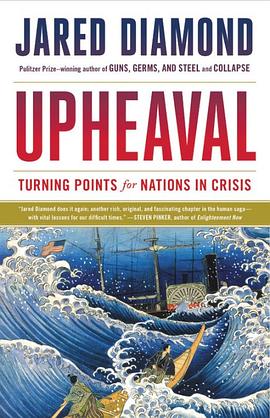

具体描述
In his earlier bestsellers Guns, Germs and Steel and Collapse, Jared Diamond transformed our understanding of what makes civilizations rise and fall. Now, in the final book in this monumental trilogy, he reveals how successful nations recover from crisis through selective change — a coping mechanism more commonly associated with personal trauma.
In a dazzling comparative study, Diamond shows us how seven countries have survived defining upheavals in the recent past — from US Commodore Perry’s arrival in Japan to the Soviet invasion of Finland to Pinochet’s regime in Chile — through a process of painful self-appraisal and adaptation, and he identifies patterns in the way that these distinct nations recovered from calamity. Looking ahead to the future, he investigates whether the United States, and the world, are squandering their natural advantages, on a path towards political conflict and decline. Or can we still learn from the lessons of the past?
Adding a psychological dimension to the awe-inspiring grasp of history, geography, economics, and anthropology that marks all Diamond’s work, Upheaval reveals how both nations and individuals can become more resilient. The result is a book that is epic, urgent, and groundbreaking.
用户评价
##类比个人对危机应对,以此为框架看国家的危机应对,听起来有点民科但却也确实带来不少洞见。分析的例子中,有国内大家较为熟悉的如日本明治维新、德国二战后重建与两德统一,也有至少我个人不熟悉的如芬兰与苏联的冬季战争、澳大利亚的身份认同危机、智利的军政府政变等,还是很涨见识的。全书最后谈当下美国所面临的危机也顺便讨论了与中国的冲突,可惜局限于美国视角只能讲一些老生常谈的点,像贫富差距、左右党争之类,若是能站在中国的角度写当下的危机应该会有意思得多吧。当今朝廷强调“底线思维”,算是抛弃了幻想,做着最坏的打算最好的准备;按照书中框架衡量,这样是否真能做到承担责任,明确问题,准确评估自我,且保有足够耐心,就只能在多年后由历史评述了。
评分##华沙一跪的Willy Brandt,出过大丑闻。他本身就有强烈的Socialist倾向,身边重要幕僚还是东德间谍,并且还陷入过性丑闻(美人计间谍)。他那一跪到底是反省NAZI还是跪舔华约,值得讨论。
评分##作者从个人应对危机的心理治疗方法中总结出12个与危机相关的因素,将其扩展到应对国家危机乃至全球危机上。本书的主题:个人、团体、企业、国家、乃至世界都有面临危机和压力的时候。危机可能来自外部,也可能来自内部。不管来自外部或内部都需要选择性地进行改变,对国家和个人来说都是如此。个人觉得本书在第八章后渐入佳境,分别讨论了日本,美国,和全球可以预见的危机问题。英文版中对中国的评价务实,中文版有删节。
评分不愧是Jared Diamond,以独到新颖的角度,用个人类比国家以此更形象深刻地理解危机的概念和影响,并用12个与危机产生结果有关的因素构成的框架很全面深入地剖析7个国家和全世界遭遇的不同危机和相应应对措施,预示未来潜在的危机,提议更严谨详细的量化研究和通过对历史经验的学习更好地应对危机,叙述通俗易懂诙谐幽默;第9章对美国的剖析中涉及到与中国的比较将两国的优缺点都列举出来,国内若引进估计不会完整保留。
评分##作者对中国的解读不知道是停留在哪个年代,难以认同,拿出的优劣对比之处早已发生改变。尤其”the biggest single disadvantage that will prevent China from ever catching up with the U.S. in average income per person—as long as the U.S. remains democratic and China remains non-democratic.” 不论哪种体制,最终还是得看最高决策人的水平;另,感谢美帝披着外衣的『民主』,不然不会有川某上台,天天给娱乐新闻加料。期待美帝将民主进行到底!
评分##国家危机的状况解释和背景分析等都很不错,可作者一心想要把归纳总结历史事件当作社会科学来做定量分析这点难以接受,还一直说数据找变量,作为生理学家的基本素养呢?不过作者估计也不是正统的搞科学的,不然也不会写这么多文化相关的书。
评分##国家危机的状况解释和背景分析等都很不错,可作者一心想要把归纳总结历史事件当作社会科学来做定量分析这点难以接受,还一直说数据找变量,作为生理学家的基本素养呢?不过作者估计也不是正统的搞科学的,不然也不会写这么多文化相关的书。
评分##非常应景的一本书。一位80+睿智老者,结合自身经历、见闻和研究,娓娓道来国家应如何应对危机。开篇以如何处理个人危机为例,讲了危机处理的几个步骤,很重要的一个点是:确立危机的边界。不要一个方面出现问题,误以为全线崩溃。接着以作者孰知/会当地语言的六国近代史为例,各个国家又是如何从国家角度化解危机。比较熟悉的日本明治维新,不常读到的芬兰、智利、印尼三国的近现代史令人耳目一新。以及德国的自我审判、自我反思也很有意思,包括他们六十年代不成功的学生运动成功推动了原本爹气十足的社会民主开明化。最后分析美国优势和存在问题,如政治两极化,预测其、日本和世界未来的危机会出现在哪里。还涉及到“伟人”能从多大程度影响历史进程。未来的世界危机,除了常见的议题能源短缺、气候变化、核危机、不平等...还有:传染病
评分##危机处理的框架对于深度分析作用其实不是很大,更像一本专栏合集。也许是期待太高吧。
相关图书












本站所有内容均为互联网搜索引擎提供的公开搜索信息,本站不存储任何数据与内容,任何内容与数据均与本站无关,如有需要请联系相关搜索引擎包括但不限于百度,google,bing,sogou 等
© 2026 book.idnshop.cc All Rights Reserved. 静思书屋 版权所有